3 AM and Muddy Boots: The Farmers Who Harvest While You're Asleep
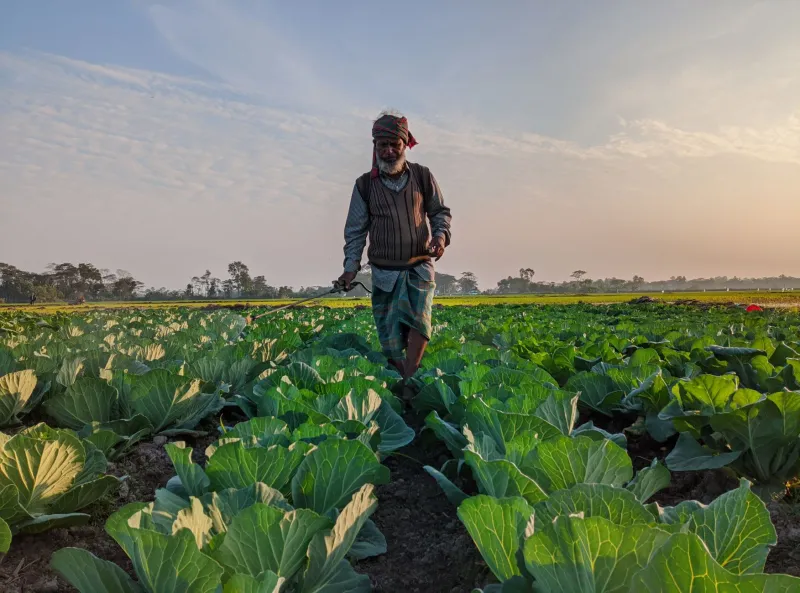
Set your alarm for 2:45 in the morning. Pull on clothes that are already dirty because it doesn't matter. Walk out into a field that's cold and dark and wet with dew. Spend the next four hours bent over rows of lettuce, moving fast because the sun is coming and the clock is already running.
This is a Tuesday for a lot of small farmers in America. Not a special Tuesday — just Tuesday.
The practice of harvesting in darkness isn't new, and it isn't quirky. It's a calculated decision rooted in plant biology, food quality, and the brutal economics of selling produce that has to be better than what people can get at a grocery store. For small farms selling direct to consumers, quality isn't a marketing angle. It's the only advantage they have.
The Science of a Cold Crop
To understand why the timing matters, you need to understand what happens to a vegetable in heat.
After harvest, a plant doesn't just sit there passively. It keeps respiring — consuming its own stored sugars and releasing heat and carbon dioxide in a process that continues until the crop is either cooled or deteriorates. The warmer the temperature at harvest, the faster that respiration rate. The faster the respiration, the faster the quality degrades.
A head of lettuce harvested at 2 PM in July, when air temperatures might be pushing 85 degrees, arrives at a farmers market booth the next morning having already burned through a meaningful portion of its sugars and structural integrity. The leaves are less crisp. The flavor is flatter. The shelf life in your refrigerator is shorter.
The same head of lettuce harvested at 3 AM, when temperatures might be in the low 50s, arrives at that booth in a fundamentally different state. The tissue is cool and turgid. Respiration has been minimal. The sugars are intact. You can taste the difference.
"It's not magic," says one market farmer in North Carolina who runs a two-acre salad green operation and hasn't harvested a single leaf after sunrise from May through September in six years. "It's just thermodynamics. Cold things stay better than warm things. The plant is the same plant. The timing is everything."
Which Crops Benefit Most
Not every vegetable demands this treatment equally. The crops most sensitive to harvest temperature are the ones with the highest moisture content and the most delicate cellular structure — and they're also, not coincidentally, the ones that taste most dramatically better when they're handled right.
Leafy greens top the list. Lettuce, arugula, spinach, chard, and herbs like basil and cilantro are extraordinarily temperature-sensitive. Their cell walls are thin, their moisture content is high, and their respiration rates skyrocket in heat. A salad mix harvested at noon and a salad mix harvested at midnight are, in practical terms, different products.
Sweet corn is another major one — and the reason is sugar. Corn begins converting its sugars to starch the moment it's picked, and heat accelerates that conversion dramatically. Old-school advice about having your pot of water boiling before you go out to pick corn wasn't a joke. It was an acknowledgment that time and temperature are the enemy. Night-harvested corn, kept cool, holds its sweetness in a way that midday-harvested corn simply can't.
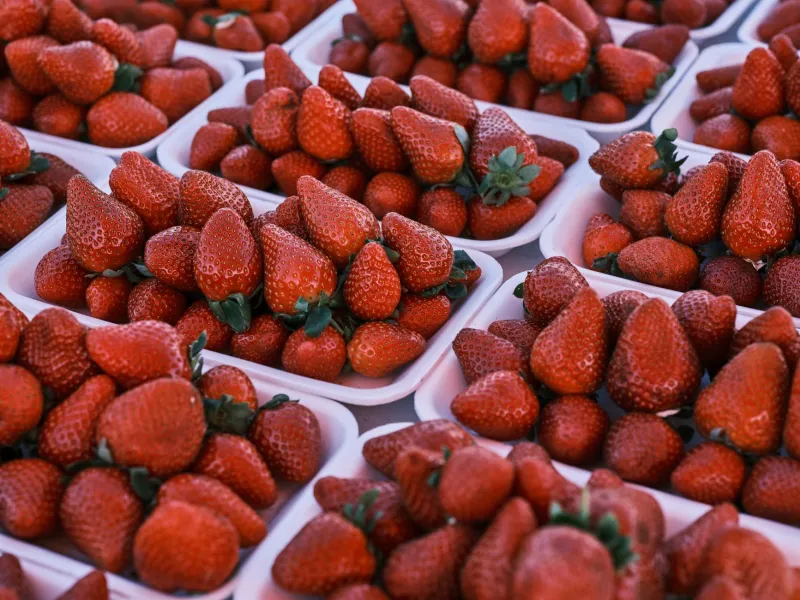
Strawberries, green beans, cucumbers, and summer squash all benefit significantly from cooler harvest conditions. Root vegetables and winter squash are less sensitive — their structure is more robust and their respiration rates are lower — but even they benefit from not being harvested during the heat of the day.
The Grueling Reality Behind the Philosophy
Here's what the farm-to-table world tends to leave out of this conversation: harvesting in the dark is hard in ways that go beyond physical discomfort.
There are obvious logistical challenges — headlamps, uneven terrain, the constant risk of damaging crops you can't fully see. But the deeper challenge is what it does to the people doing it across an entire season.
Farm workers and farmers who operate on night harvest schedules often describe a kind of temporal displacement that accumulates over months. You're awake when everyone else is asleep. You're done with your most physically demanding work before most people have had their first coffee. The schedule doesn't bend easily around family life, social obligations, or basic human rhythms.
"People ask me what the hardest part of farming is," says one vegetable farmer in southern Vermont who operates a CSA and does farmers markets three days a week from June through October. "It's not the physical work. It's the 2 AM harvest when it's 48 degrees and raining and you've got 200 shares to fill and you haven't slept more than five hours in two weeks. That's the part nobody sees."
For farms that employ workers, the night harvest schedule creates additional complications around labor law, safety, and recruitment. Finding people willing to work consistently in pre-dawn darkness — and keeping them — is a genuine operational challenge that adds cost and complexity to an already thin-margin business.
What Happens Between the Field and Your Table
The harvest timing is only part of the equation. What happens in the hours between picking and selling matters enormously, and the best small farms treat that window with the same seriousness they give to when they pick.
Most serious market farmers have dedicated cooler space — often a converted walk-in refrigerator or a purpose-built cold room — where harvested crops are brought immediately after picking and held at precise temperatures until market time. The goal is to get the field heat out of the crop as fast as possible and keep it there.
Some crops, like sweet corn and leafy greens, benefit from being hydrocooled — submerged briefly in cold water to rapidly drop their core temperature. Others need careful humidity management to prevent wilting without encouraging mold. It's a level of post-harvest handling that most consumers never think about and that grocery store supply chains, operating at industrial scale, largely can't replicate.
"When you buy from a supermarket, that lettuce might be two weeks old," notes one farmer who runs a certified organic operation outside of Portland, Oregon. "When you buy from me on Saturday morning, I picked it Thursday night. There's no comparison. But that gap doesn't happen by accident — it happens because I was up at 3 AM in the dark."
What You Can Do With This Information
If you shop at farmers markets, ask your vendors when they harvested. It's not a weird question — most farmers who night-harvest are proud of it and happy to explain. The answer tells you something real about how seriously they take quality.
If you grow your own vegetables, experiment with early morning harvests, especially for lettuce, herbs, and corn. Pick before the day heats up, get your harvest into the refrigerator quickly, and notice the difference. The science applies at any scale.
And the next time you bite into a piece of salad that actually tastes like something, remember that somewhere, somebody was up before dawn in muddy boots to make that possible.